Editorial scope: Procyss built this buying guide from public vendor pages, documentation, pricing pages where available, and buyer-risk checks. We do not claim private hands-on testing or vendor access. Product packaging can change, so verify any contract-critical requirement with the vendor before signing.
The Procyss verdict
Process mining is worth buying when the organization has reliable process data and an owner ready to act. If the team only wants prettier dashboards, wait. If the team can turn findings into automation, policy, or staffing decisions, process intelligence can change the sequence of the whole workflow program.
Workflow teams often automate the process they think they have. Process mining reduces that risk by exposing variants, rework, waiting time, and behavior that process maps miss.
For readers who are still shaping the wider software shortlist, the most useful next Procyss pages are best workflow automation software, workflow automation buying checklist, workflow platform brand shortlist, workflow automation deals and trials. Those pages use the same evidence-led lens: process shape first, product fit second, commercial offer last.
Quick comparison table
| Option | Best fit | Watch-outs | Official source |
|---|---|---|---|
| Celonis | process intelligence and process mining programs | requires data readiness and action ownership | Celonis platform overview |
| Celonis process mining content | explaining how processes actually run | insight is not the same as implementation | Celonis process mining explainer |
| Appian Process Intelligence | process mining connected to automation strategy | platform scope and pricing need review | Appian pricing |
| Decisions / ProcessMaker | acting on process findings through orchestration | not a standalone process mining replacement | Decisions platform overview |
How to read this market
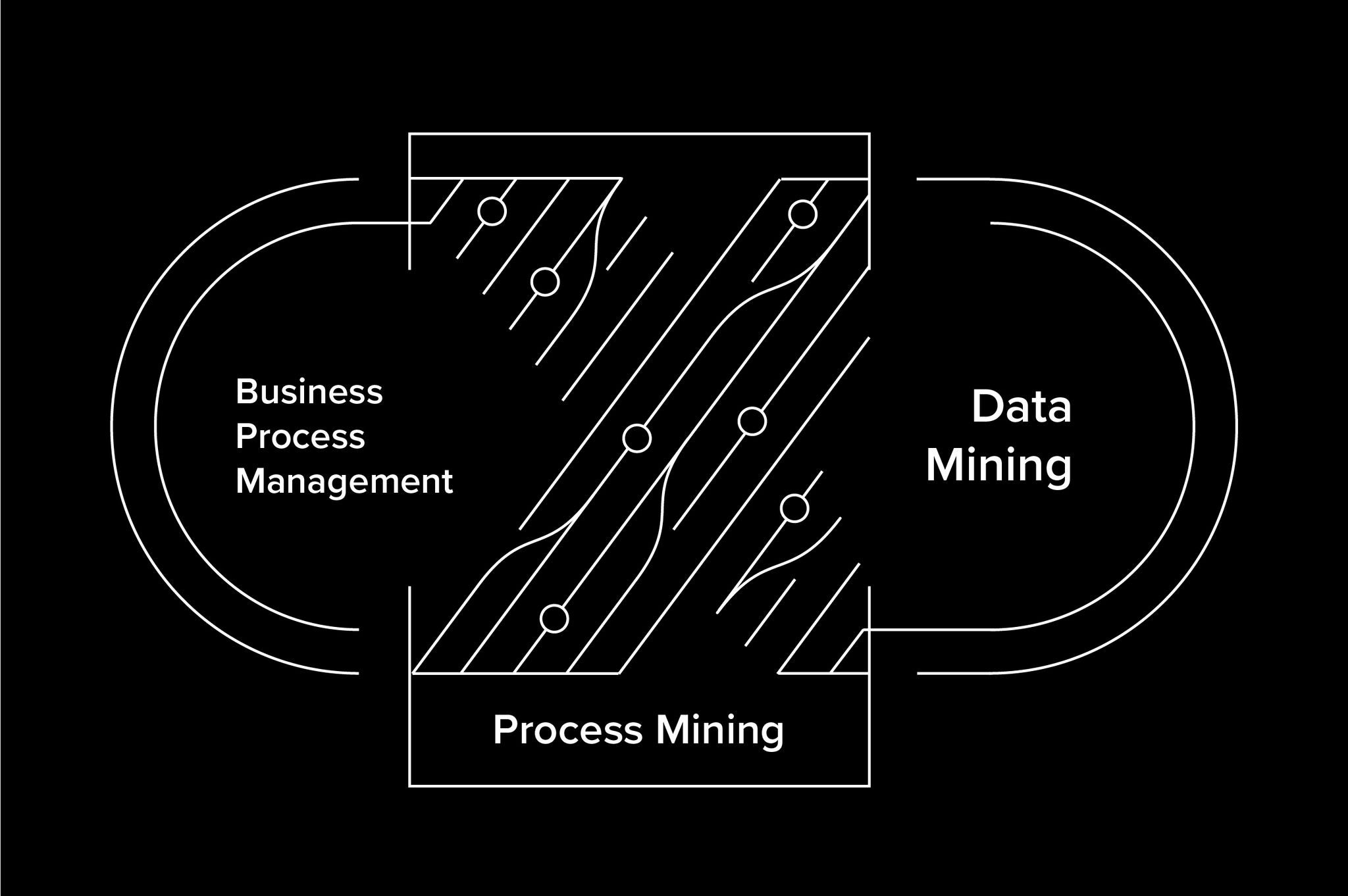
Process intelligence sits between analytics, transformation, and automation. It does not replace workflow execution, but it can tell teams which workflows deserve execution investment first.
The mistake Procyss sees in workflow software research is treating all automation tools as interchangeable. A request queue, a finance approval chain, a low-code application platform, and process mining are adjacent, but they solve different operating problems. The right first question is not which vendor has the longest feature list. It is which failure mode you are trying to remove: missed handoffs, uncontrolled app building, audit gaps, unclear process data, or slow implementation.
A second mistake is letting a short trial or a polished walkthrough stand in for implementation evidence. Workflow software becomes valuable only when real roles, exception paths, data handoffs, and reporting needs are configured. If those pieces are missing from the evaluation, the buyer may select a tool that looks fast in a sandbox but becomes fragile once finance, IT, legal, operations, and external requesters all touch the same process.
Product fit notes
Celonis
 Celonis is the anchor product because its platform is built around process data, business knowledge, and operational intelligence.
Celonis says its platform creates a dynamic, real-time digital twin of operations and gives people and AI agents operational clarity.
The buyer still needs owners who will convert findings into process changes, automation, or policy decisions.
Celonis process mining content
Celonis process-mining education is useful for buyer alignment because it separates perceived process from actual process.
Celonis defines process mining as technology for modeling, analyzing, and optimizing business processes and showing how they actually run.
Teams should avoid buying the tool if they cannot access clean event data.
Appian Process Intelligence
 Appian is relevant because it puts process intelligence near process automation, AI, and document workflows in a broader platform.
Appian pricing presents process intelligence as part of the Appian Platform alongside process automation and AI.
That can be valuable when insights need to become automated process changes, but the buyer should verify scope and cost.
Decisions / ProcessMaker
 Decisions can matter after process mining identifies work that needs orchestration, rules, or exception handling.
Decisions presents itself as a control plane for workflows, rules, systems, people, and AI.
Use it as an execution candidate, not as a substitute for process discovery.
Evaluation criteria Procyss used
- Process shape: The product should match the real shape of the work: linear approvals, request queues, case workflows, process discovery, or broader orchestration.
- Governance: The buyer should be able to define roles, builder permissions, review checkpoints, change control, and audit access before expanding usage.
- Integration evidence: A claim about integrations is not enough. Buyers need to see how data enters, leaves, and reconciles with systems of record.
- Reporting usefulness: Dashboards should answer operating questions such as aging, exceptions, bottlenecks, owner workload, and cycle-time movement.
- Commercial clarity: Pricing, implementation services, support terms, and renewal assumptions should be visible enough to compare total operating cost.
These criteria matter because workflow systems sit close to operational control. They decide who can submit work, who can approve it, how exceptions are escalated, which system becomes the source of status, and what evidence is available when something goes wrong. A lightweight tool can be the right choice for a simple queue, but the same tool may be risky for regulated approvals or long-running cross-system processes.
Vendor questions to ask before purchase
- Which source systems will provide event logs and who owns the data extract?
- Can the tool connect cases across systems without manual reconstruction?
- How are variants, bottlenecks, and conformance issues visualized?
- What workflows or automations can be launched from findings?
- How is value tracked after a recommendation is accepted?
- Who owns process improvement after the first dashboard is published?
Answers should be specific enough for a buyer to compare vendors side by side. If a vendor answers with only broad claims, ask for the exact admin screen, permission model, export format, audit event, integration connector, support package, and implementation step that proves the claim. This is especially important with low-code and no-code platforms because the buyer is not only purchasing software. The buyer is also choosing a governance model for who can create and change operational systems.
A practical 90-day evaluation plan
1. Pick one painful process. Choose a workflow with visible delays, named owners, clear input data, and enough volume to reveal whether automation will matter.
2. Map roles and exceptions. Write down submitter, approver, watcher, admin, escalation, and auditor roles before testing any product screen.
3. Build the minimum governed workflow. Ask the vendor or internal builder to model the real intake form, status stages, approval rules, notifications, and exception route.
4. Connect one source system. Test at least one integration or export path so the team can see whether data handoff is practical rather than theoretical.
5. Review audit and reporting evidence. Confirm what the system records, who can export it, and whether reports answer management questions without manual cleanup.
6. Decide ownership before expansion. Name who can change the workflow, who approves schema changes, and who owns support after the first department goes live.
This plan is intentionally narrower than a full transformation program. It is designed to reveal whether the product can carry the first serious use case without hiding integration, ownership, or reporting work until after the contract is signed.
Pricing and offer discipline
Process mining cost depends heavily on data volume, process scope, connectors, users, services, and value tracking. Buyers should avoid pricing it like a simple SaaS seat purchase. The real budget includes data preparation, process owner time, improvement work, and downstream automation.
A useful offer changes timing, not fit. A free plan, implementation credit, or limited-time commercial term is worth considering only after the workflow model, security expectations, and operating owner are clear. If the economics look attractive but the tool cannot prove auditability, escalation, data export, or admin ownership, the discount is not solving the buying risk.
Evidence worksheet for this buying team
Before a shortlist meeting, turn the process mining buying guide for workflow teams decision into a small evidence worksheet. The worksheet should name the first workflow, the business owner, the IT owner, the data owner, the expected approvers, the reporting audience, and the deadline for a proof-of-fit build. That forces the discussion away from generic automation claims and toward the operating reality the software must support.
Use one row for each requirement that could change the buying decision. Examples include approval delegation, external requester access, audit export, production change review, integration with a system of record, exception escalation, and renewal pricing. For each row, record the vendor answer, the proof shown, the remaining uncertainty, and the person who will verify it. A requirement is not proven because it appears in a slide or feature list. It is proven when the team can see the workflow step, permission, report, export, connector, or contract term that supports it.
The worksheet should also capture negative evidence. If a vendor cannot show a specific control, if a feature is limited to a higher tier, if implementation requires a partner, or if pricing depends on external users, write that down. Negative evidence is not automatically disqualifying, but it prevents the team from treating unknowns as solved. It also gives procurement a clearer way to compare a lower-priced tool with a broader platform.
Finally, assign a decision status to every vendor: keep testing, negotiate, hold, or remove. Keep testing means the product still has unanswered fit questions. Negotiate means the workflow fit is strong enough to discuss terms. Hold means timing, data readiness, or internal ownership is not mature enough. Remove means the product cannot support the first workflow without unacceptable control, data, or implementation risk. This discipline keeps process mining buying guide research tied to evidence instead of momentum.
Strict evidence checklist for final selection
Use the process mining buying guide for workflow teams research as a decision file, not only a reading page. The buyer should be able to attach one piece of evidence to every claim that affects the shortlist: a vendor page, a pricing page, a workflow screenshot from a sales session, a permission matrix, an integration note, an audit export, or a contract line item. If the evidence is not available yet, mark the requirement as unproven rather than assuming the sales claim will survive implementation.
For operations, transformation, finance, supply chain, and process excellence teams evaluating process intelligence, the practical review should separate five questions. First, what is the first workflow and what is outside the first rollout? Second, who can submit, approve, edit, audit, and retire the workflow? Third, which systems must send or receive data in the first ninety days? Fourth, what report will leadership use to decide whether the workflow improved? Fifth, what commercial term would make the tool expensive after the first proof of fit? A vendor that cannot answer those questions may still be promising, but it is not ready to be treated as a low-risk choice.
The most useful buying packet is a one-page matrix with four columns: requirement, proof shown, remaining uncertainty, and owner. Put the hardest requirements near the top. For approval-heavy work, that usually means delegation, escalation, policy exceptions, audit history, and export. For request operations, it usually means intake fields, queues, assignment rules, workload reporting, and requester visibility. For no-code programs, it means builder rights, release review, data ownership, and app retirement. For process intelligence, it means event-log readiness, process owner commitment, and the path from insight to funded change.
Treat pricing evidence the same way. Record the public price or plan page when one exists, then list every assumption that still needs a quote: number of internal users, external requesters, workflow count, process count, AI features, environments, support tier, implementation services, partner work, data connectors, and renewal treatment. This prevents a free plan, trial, or polished demo from becoming a hidden long-term cost. It also helps compare a focused tool against a broader platform without pretending that both are priced the same way.
Finally, require a remove decision. A shortlist is not healthy if every vendor stays in discussion indefinitely. Remove a product when the first workflow cannot be proven, when audit or data controls are weaker than the process risk, when implementation services are undefined, or when the pricing model conflicts with expected usage. Keep a product only when the evidence supports the buying intent: evaluate process mining software. That discipline is what turns the quick verdict into a defendable decision: Buy process mining when process data is ready, owners will act on findings, and the team has a path from insight to automation or operating change.
Sources checked
- Celonis platform overview - official product or pricing evidence used for this guide
- Celonis process mining explainer - official product or pricing evidence used for this guide
- Appian pricing - official product or pricing evidence used for this guide
- Decisions platform overview - official product or pricing evidence used for this guide
Bottom line
Do not buy process mining as a dashboard project. Buy it when the team has data, authority, and funding to change the process after the truth is visible.
Frequently asked
Frequently Asked Questions
What is process mining?
Process mining uses event data to model, analyze, and improve how business processes actually run.
When should a workflow team use process mining?
Use it when the team needs evidence about bottlenecks, variants, rework, or automation opportunities before redesigning work.
Is Celonis a workflow automation tool?
Celonis is primarily process intelligence; teams still need an execution plan or automation platform to act on insights.
What data does process mining need?
It needs reliable event data with case identifiers, timestamps, activity names, and enough context to connect process steps.
How do buyers prove ROI?
Track bottleneck reduction, cycle-time improvement, cash impact, rework reduction, compliance improvement, and automation conversion.